AI-Powered Customer Support for Emergency Vet Clinics

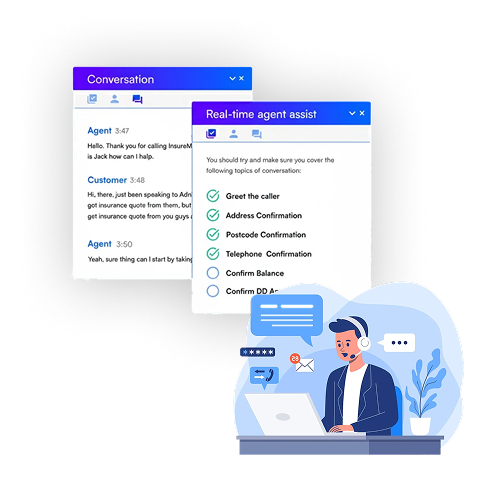
On the line is a pet owner whose dog may have ingested something toxic. Their words come fast and uneven, panic bleeding through every sentence. They need to know what to do now. On this end, a customer support agent at an emergency veterinary practice inhales, buying a second. The call queue is backing up. Protocols blur under pressure. One unclear instruction or moment of hesitation could escalate fear — or delay care.
Read More
Vibe Coding for Enterprise Debunking 5 Myths and Deployment Best Practices

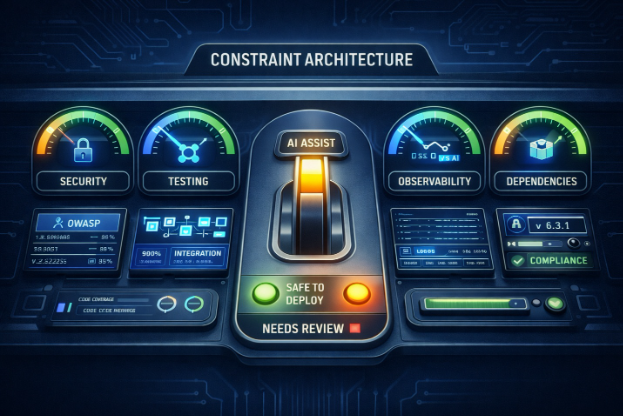
Vibe Coding for Enterprise: Debunking 5 Myths and Deployment Best Practices

Whether you call it vibe coding, AI pair programming, or AI-assisted development with popular AI coding tools like Claude, Cursor, and GitHub Copilot, the velocity gains are real—teams shipping in days what previously took weeks. But so are the risks when organizations scale without guardrails. At this point, the real question isn't whether to adopt vibe coding. Your teams are already using these tools. The real question is:
Read More

The Top 10 CIO Concerns When Rolling Out AI Agents in the Enterprise

Are You Making Business-Critical Decisions with Just 2% of Customer Interaction Data? Enterprise contact centers handle millions of customer interactions each year, yet most rely on manual quality assurance (QA) processes that analyze only 2% of calls, chats, and messages. This leaves 98% of interactions completely unexamined, creating hidden compliance risks, missed revenue opportunities, and agent performance gaps.
Read More

A New Playbook for CSAT in the AI-Augmented Contact Center

Are You Making Business-Critical Decisions with Just 2% of Customer Interaction Data? Enterprise contact centers handle millions of customer interactions each year, yet most rely on manual quality assurance (QA) processes that analyze only 2% of calls, chats, and messages. This leaves 98% of interactions completely unexamined, creating hidden compliance risks, missed revenue opportunities, and agent performance gaps.
Read More